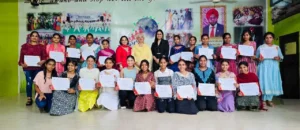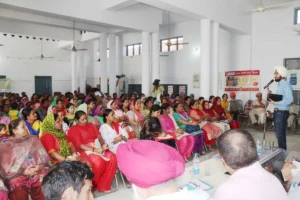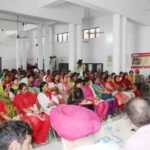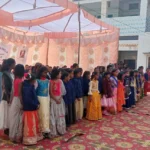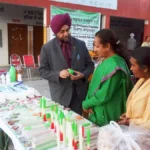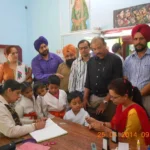

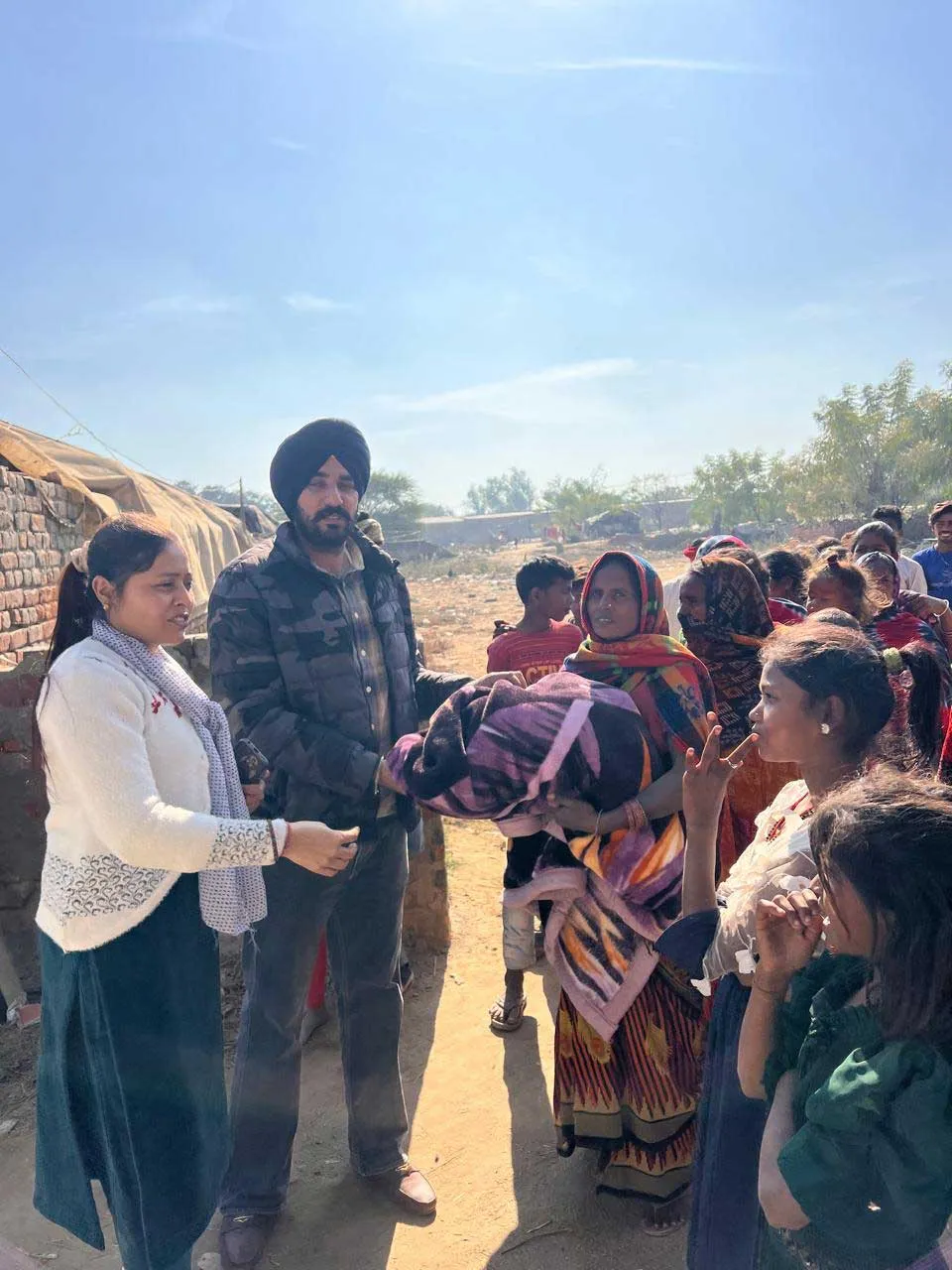
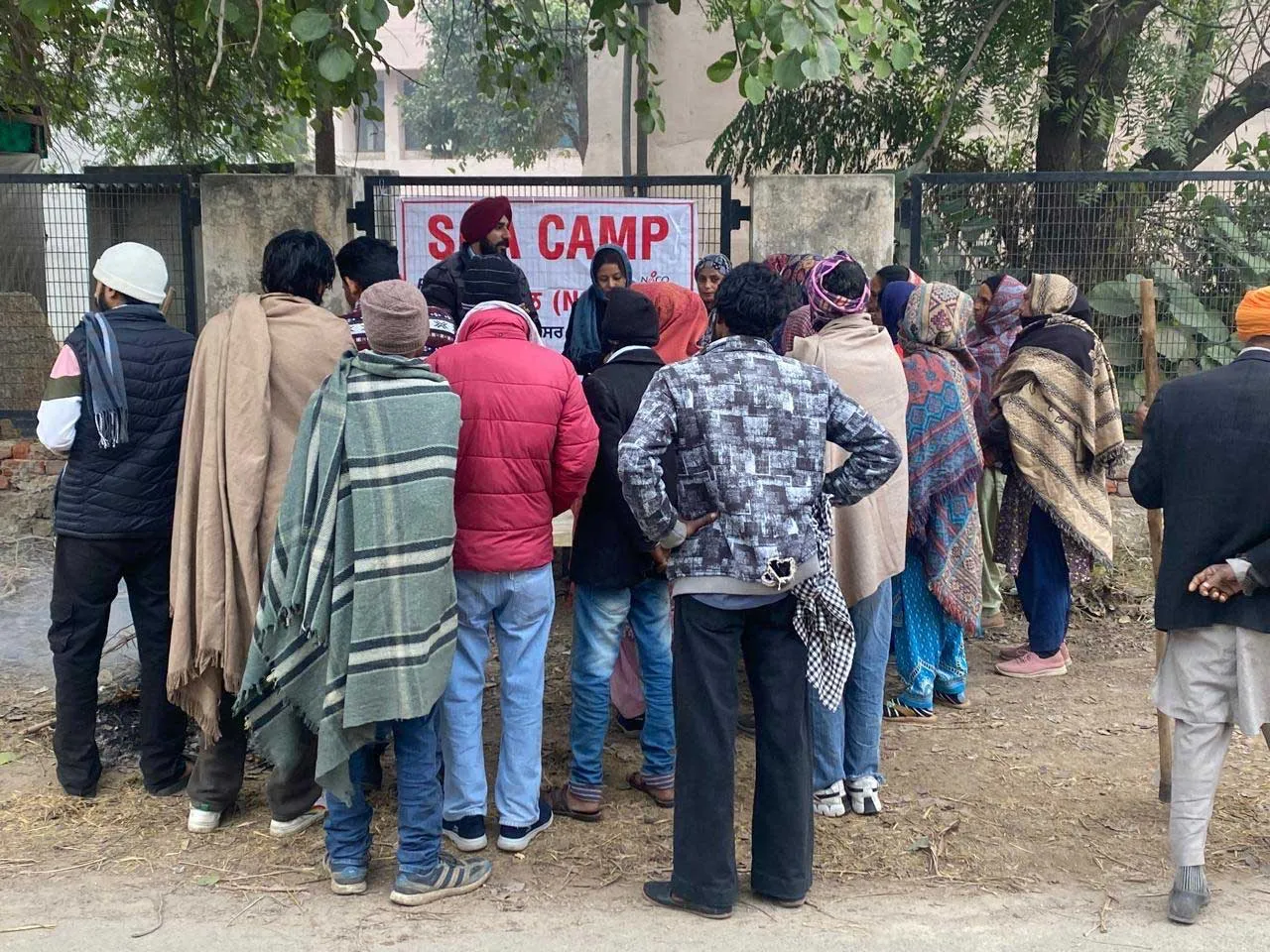
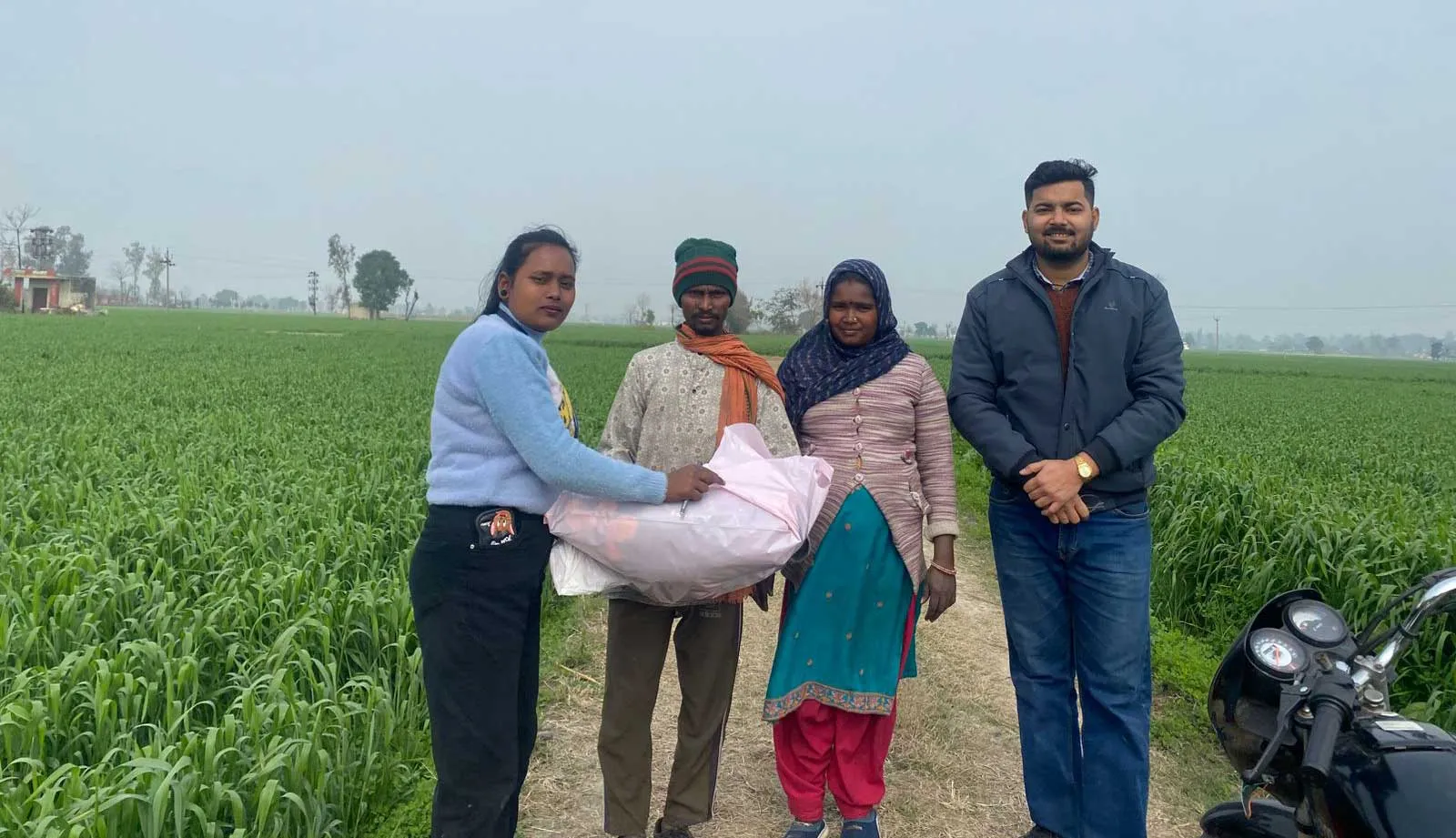
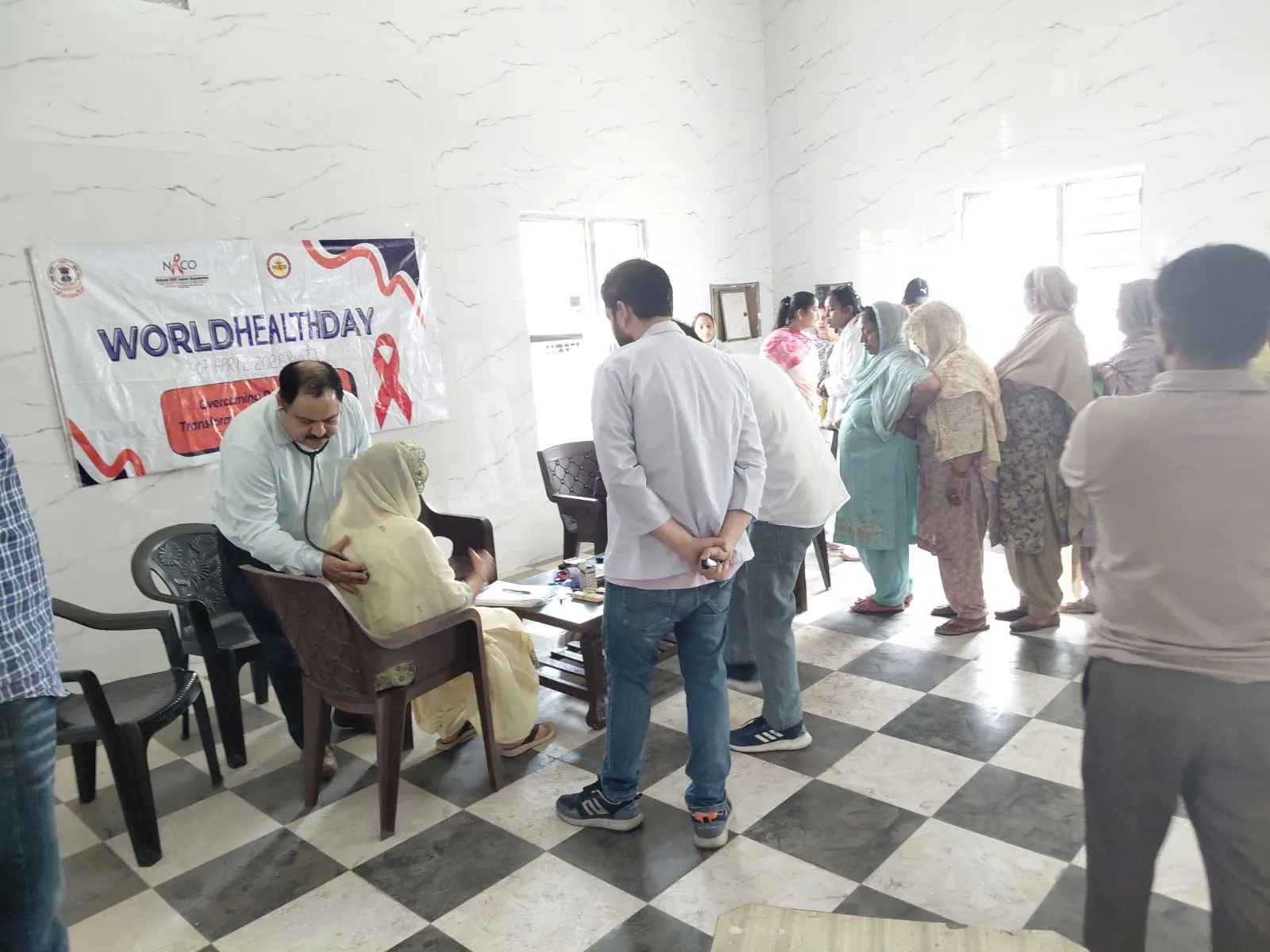
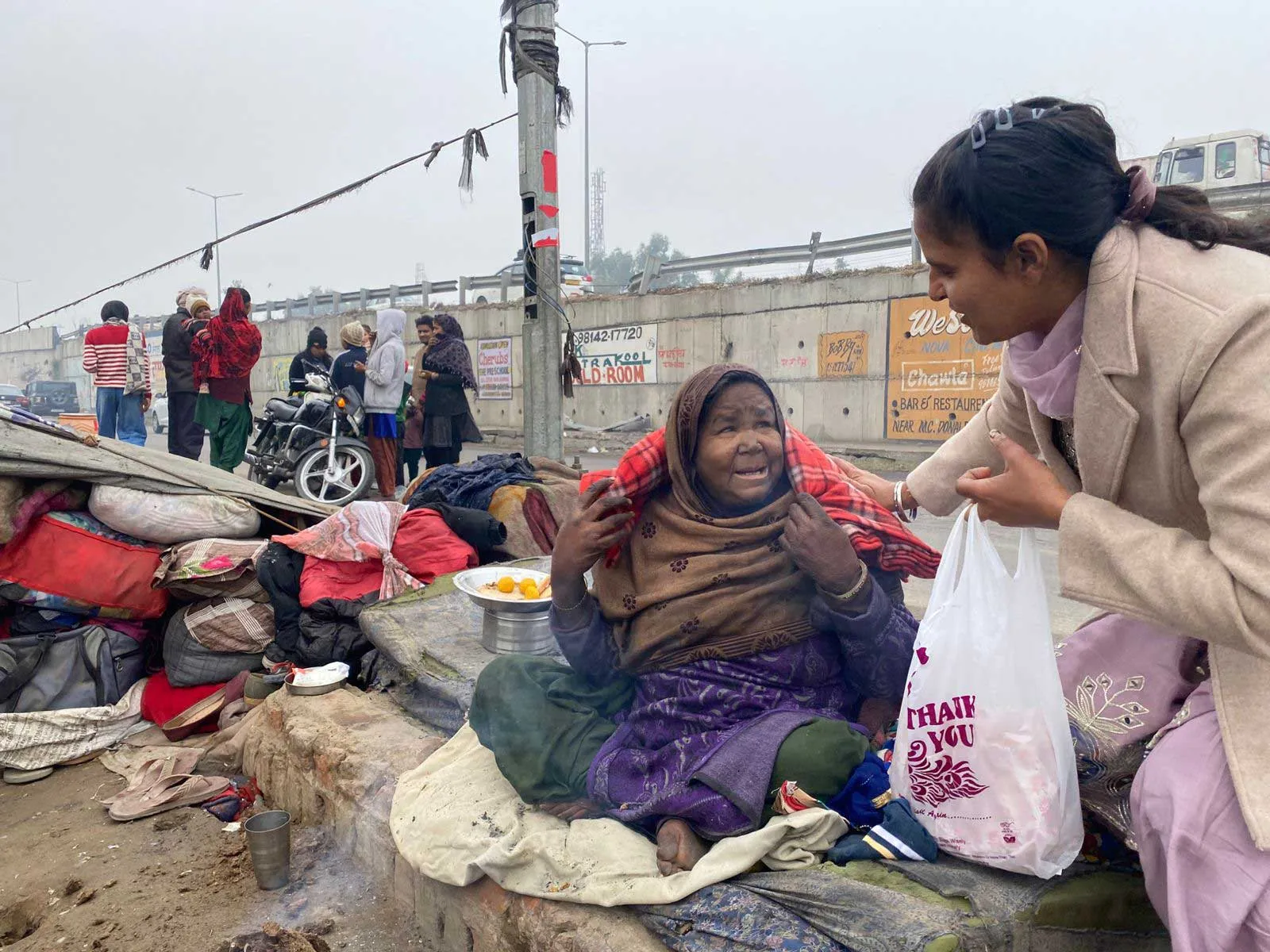
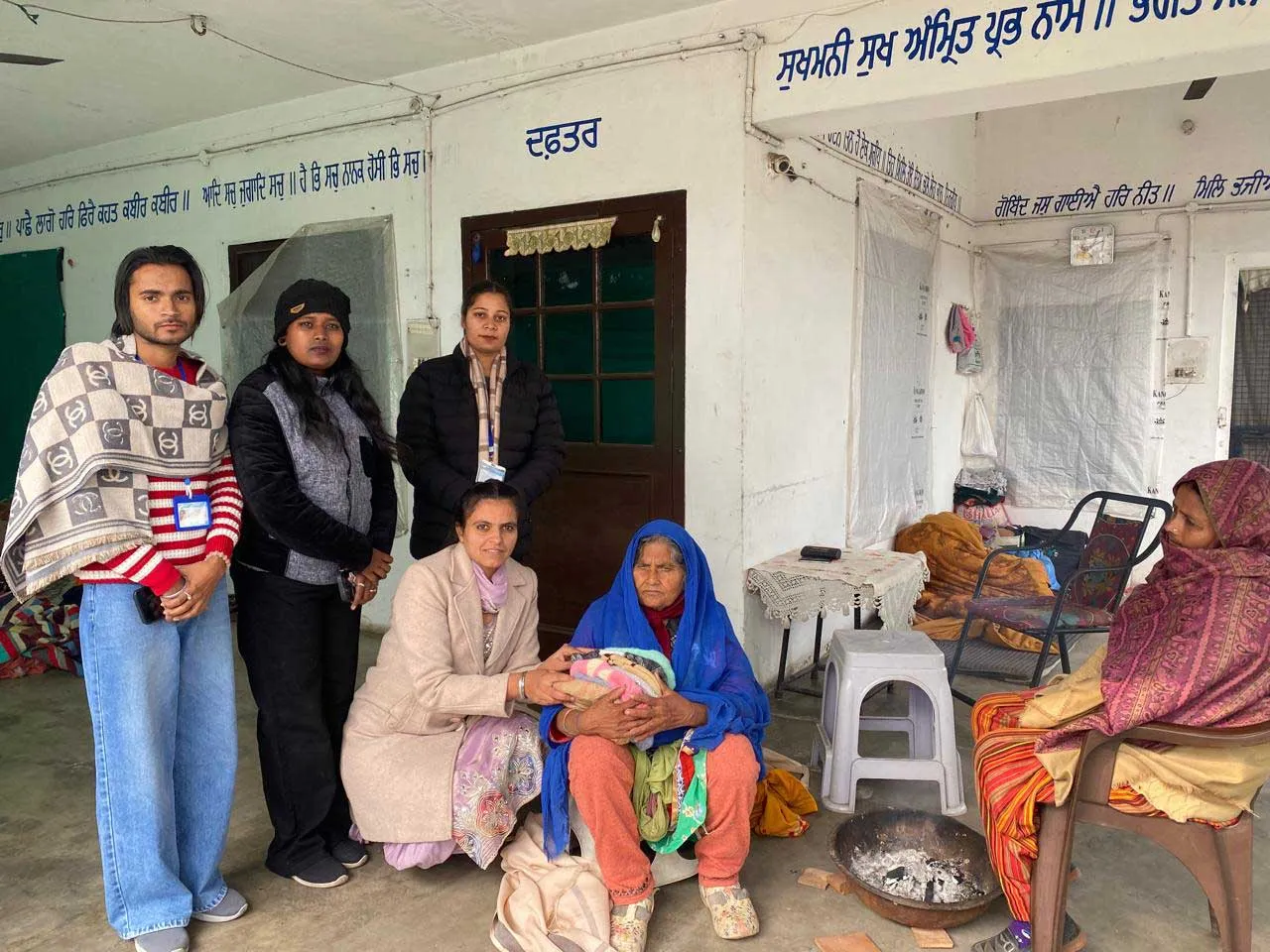
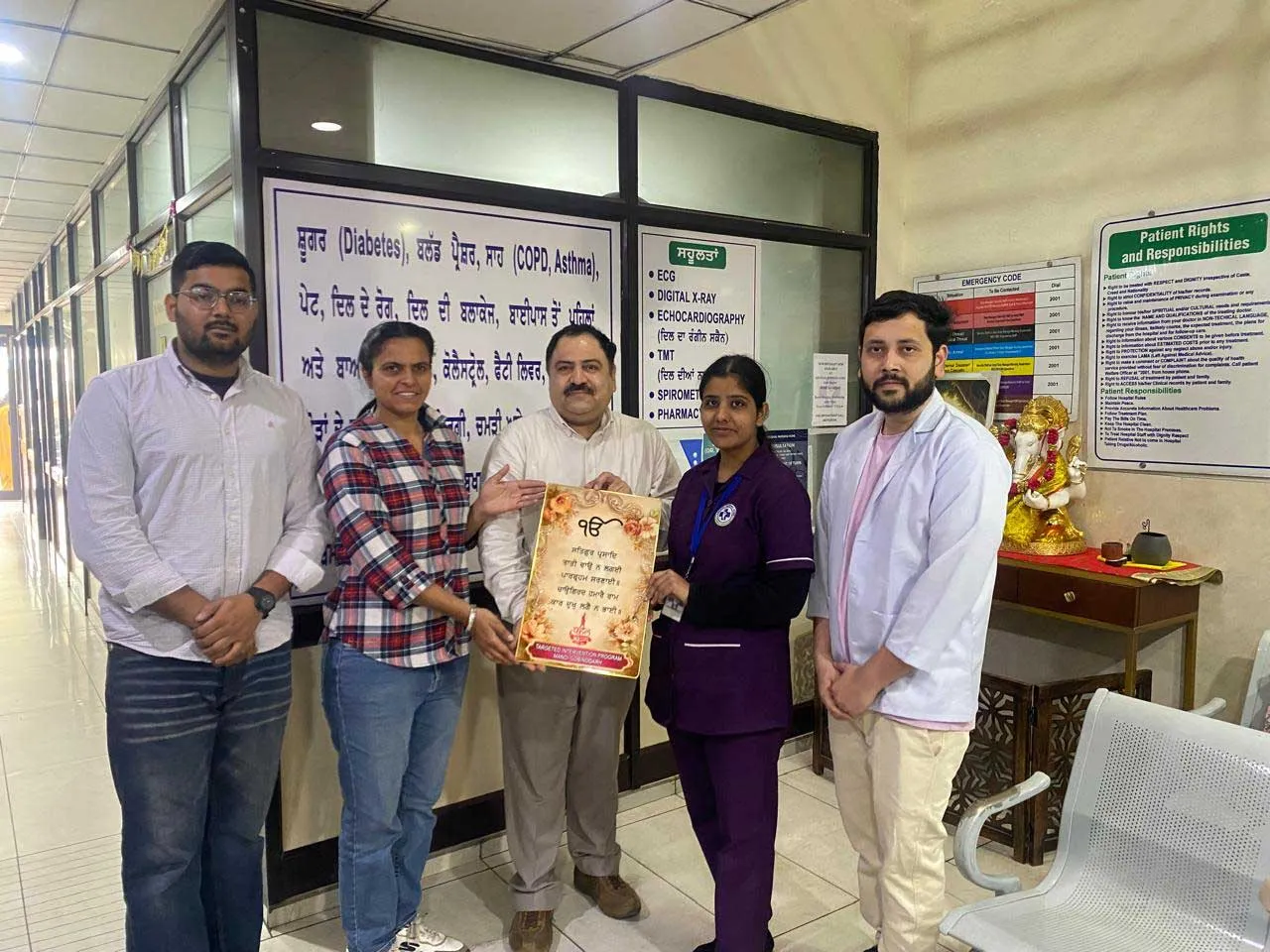
(Targeted Intervention Programmes work with vulnerable and high-risk populations to improve access to healthcare, HIV prevention services and social support while ensuring dignity, confidentiality and inclusion.)
PAHAL has been implementing Targeted Intervention (TI) Programmes in partnership with public health agencies to support HIV prevention, health awareness and access to healthcare services among vulnerable and high-risk populations.
The programme works closely with communities that often face barriers in accessing healthcare, information and social support services. Through outreach, counselling, health education, testing referrals and community engagement, the initiative promotes safer health practices, encourages early diagnosis and strengthens access to healthcare services.
PAHAL currently implements Targeted Intervention Programmes at three locations across Punjab: Nakodar, Muktsar and Mandi Gobindgarh. Through dedicated field teams, Peer Educators and Outreach Workers, the programme provides continuous support to beneficiaries while promoting dignity, inclusion and community empowerment.
In addition to healthcare interventions, the programme works to reduce stigma, strengthen community participation and connect beneficiaries with government welfare schemes and support services.
3 Targeted Intervention Project Locations
Since 2011 Continuous Implementation of HIV Prevention Programmes
2,235 Total Beneficiaries Reached Through the Nakodar Project
1,100 Beneficiaries Reached Through the Muktsar Project During 2024–25
Established: September 2011
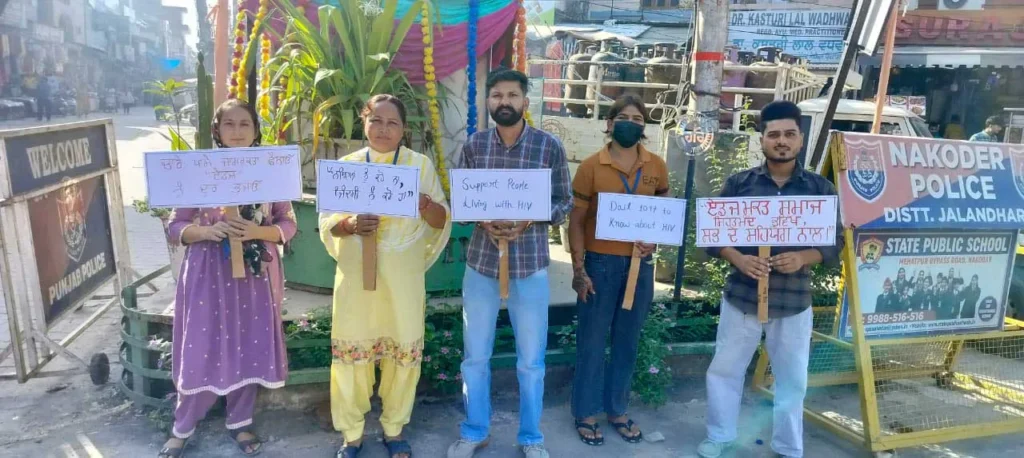
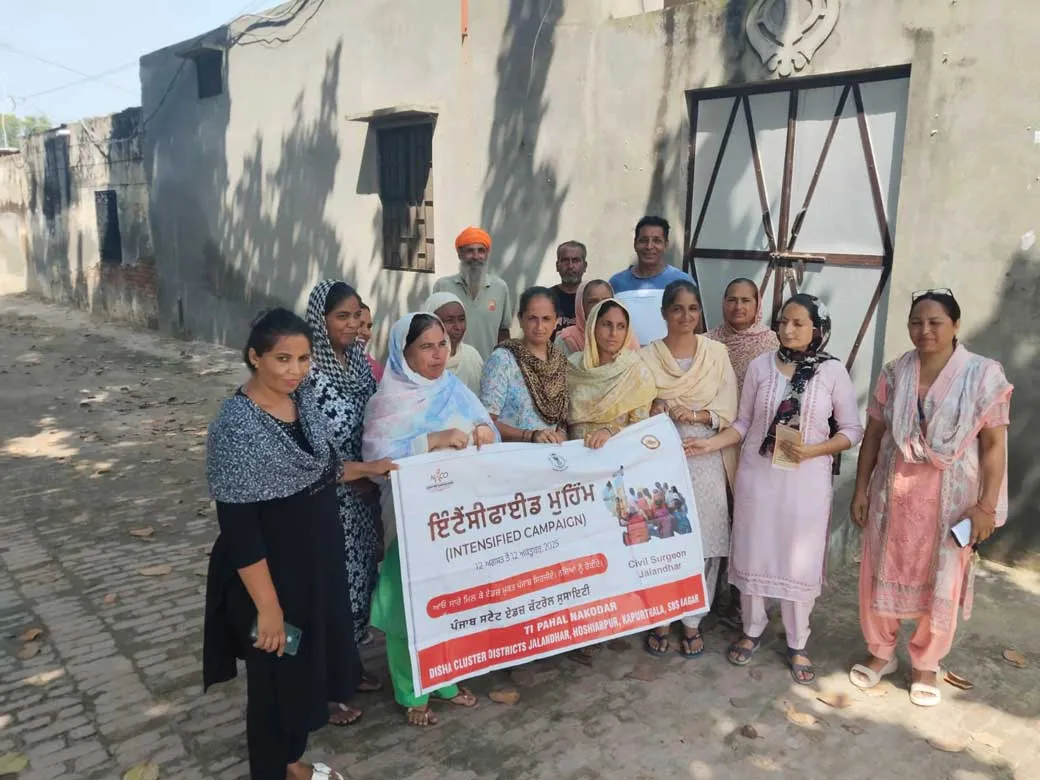
The Nakodar project is PAHAL’s longest-running Targeted Intervention Programme and focuses on improving health awareness, promoting safer practices and strengthening access to healthcare services among the Core Composite Population.
Through regular outreach activities, one-to-one counselling, awareness sessions and health camps, beneficiaries receive information, support and referrals to HIV testing, STI treatment facilities, ICTC services and TB screening programmes.
Impact
Established: April 2021
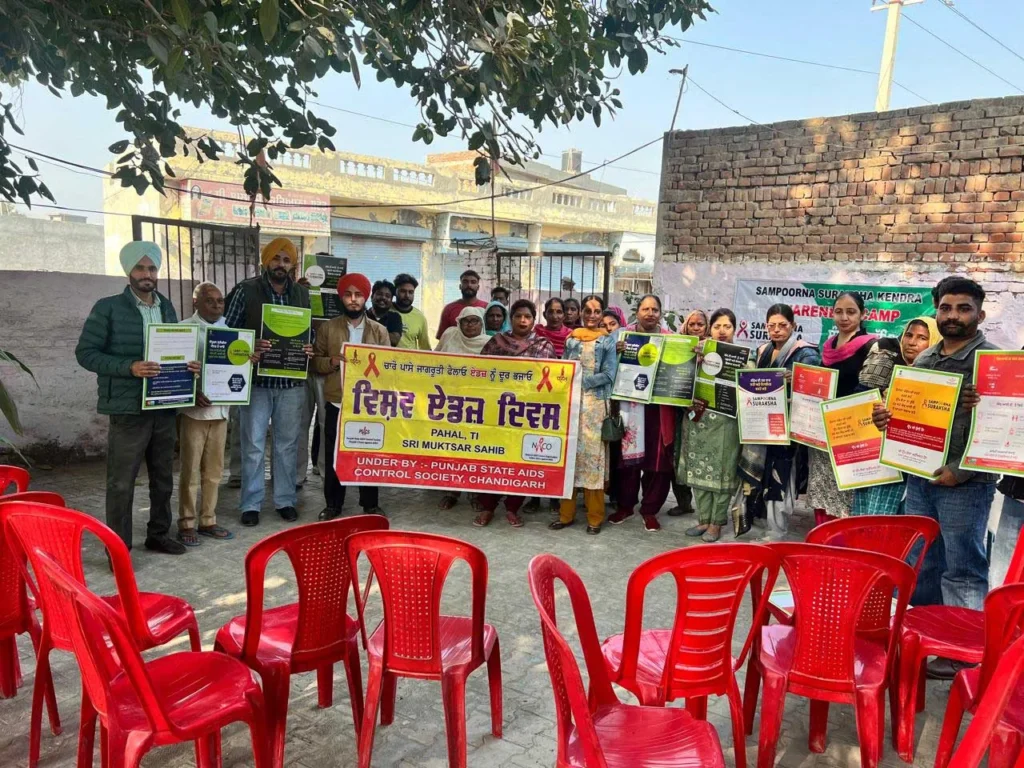
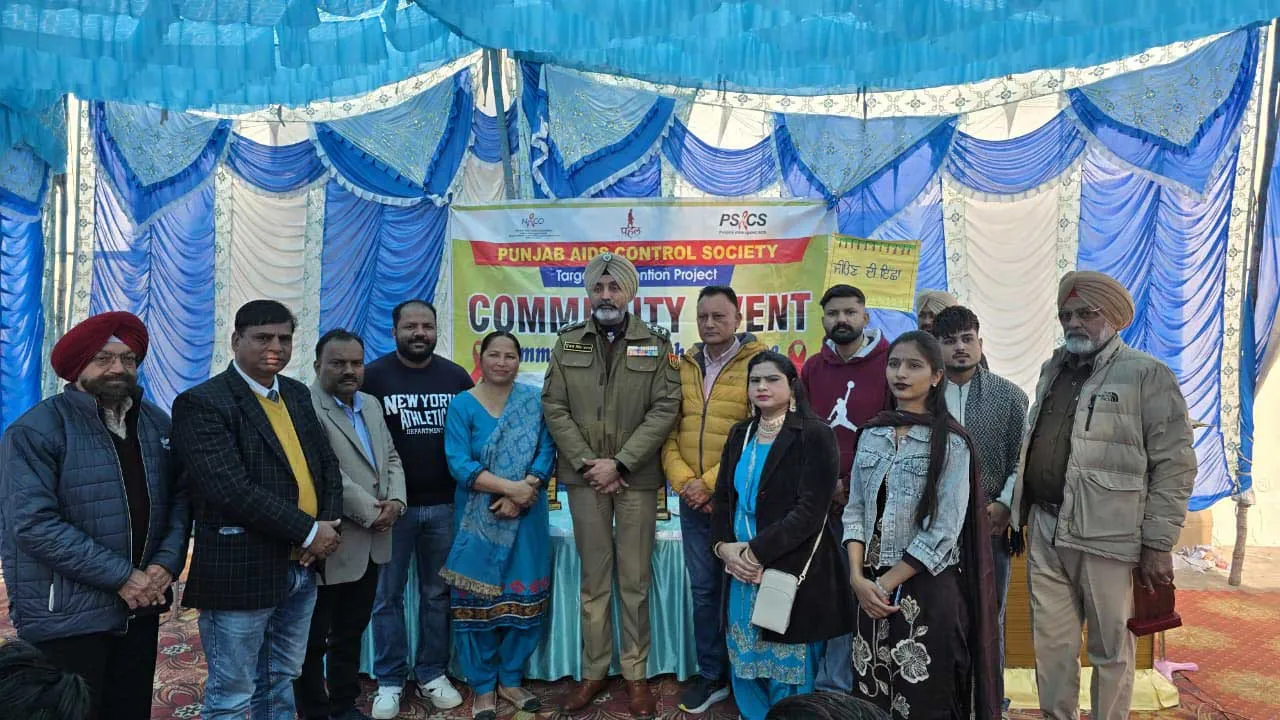
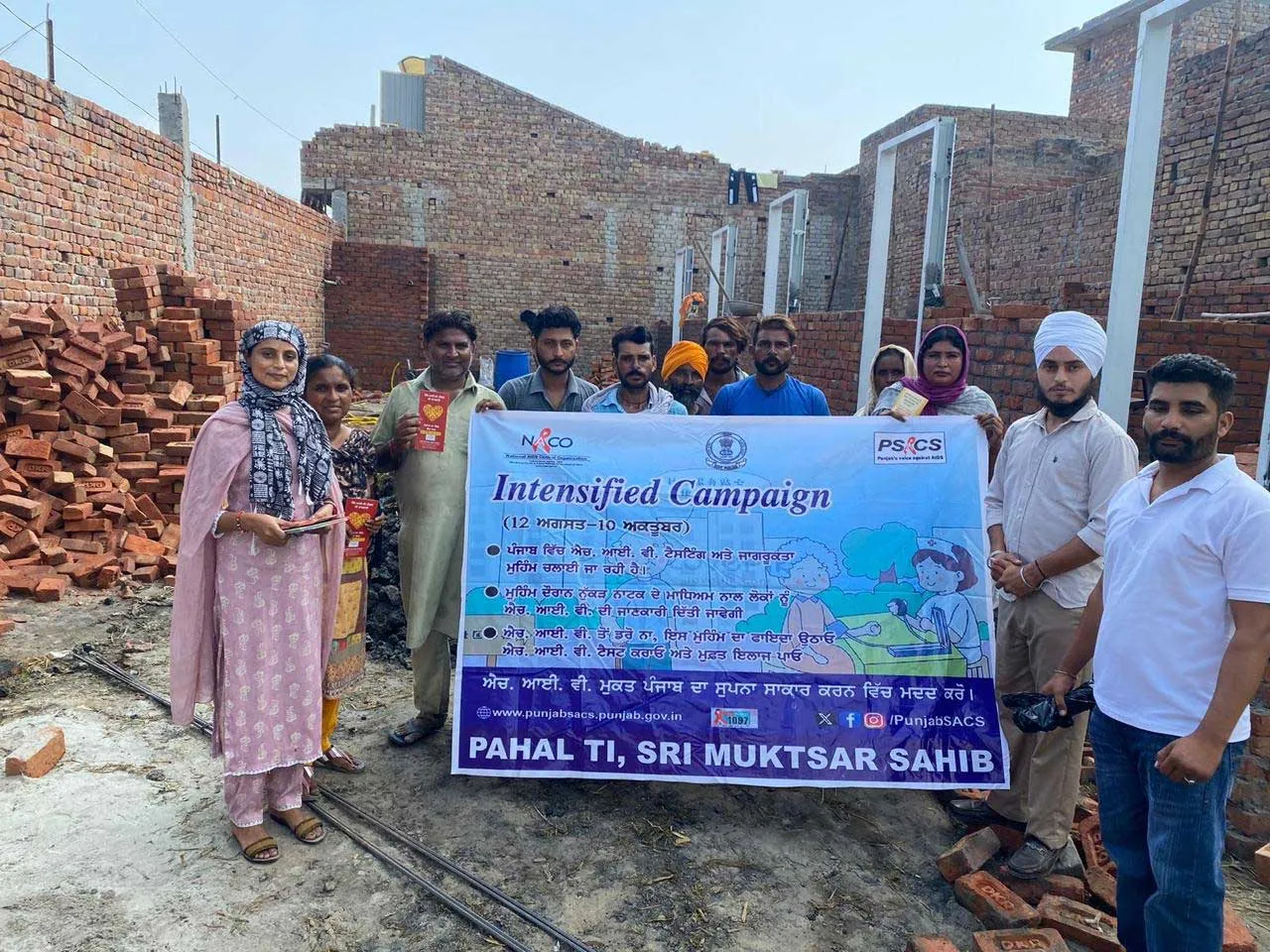
Implemented in collaboration with the Punjab State AIDS Control Society (PSACS), the Muktsar project focuses on HIV prevention and health promotion among High-Risk Groups (HRGs).
The programme conducts outreach activities, awareness sessions, ICTC referrals, health camps and TB screening activities while ensuring beneficiaries have access to essential prevention services and healthcare support.
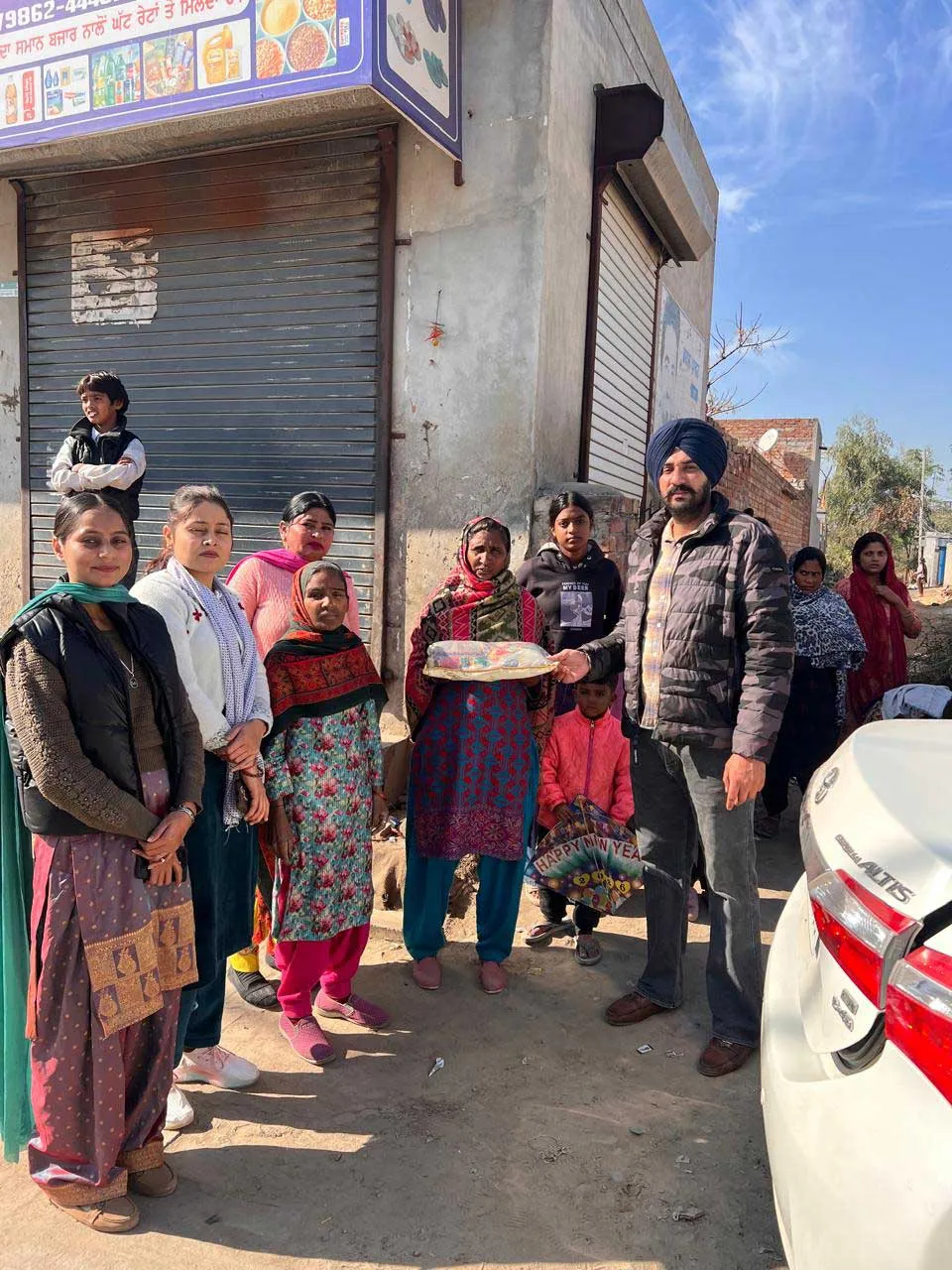
In addition to healthcare interventions, the project actively promotes community welfare through social awareness campaigns, clothing distribution drives and environmental initiatives.
Impact
Established: 21 August 2023
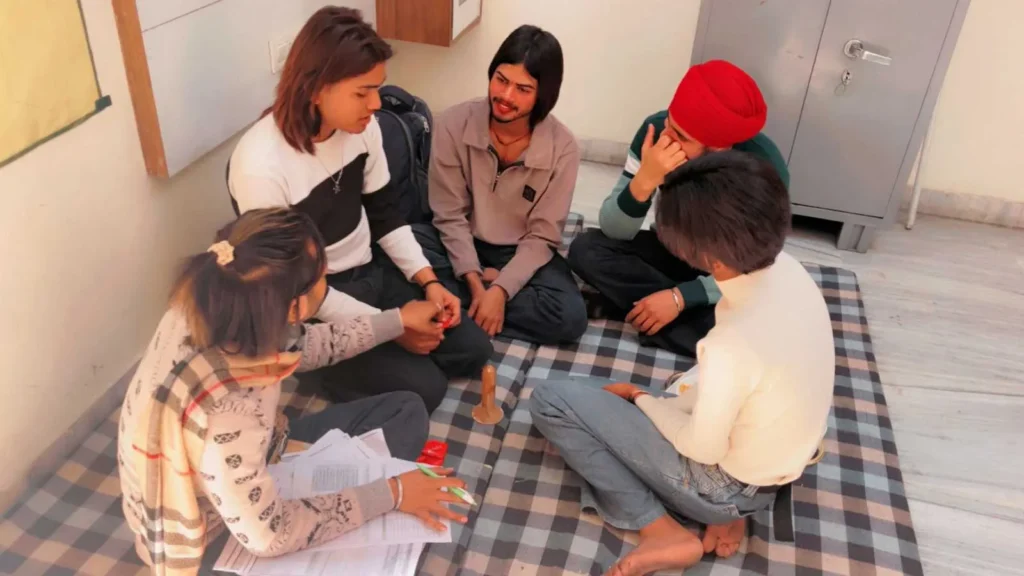
The Mandi Gobindgarh project works with Female Sex Workers (FSWs), Men who have Sex with Men (MSM) and the Transgender community to improve access to healthcare services, information and social support.
The programme provides outreach services, HIV awareness, counselling, STI screening support and healthcare referrals while helping beneficiaries access government welfare schemes and support services.
Regular community meetings, Drop-In Centre activities and awareness programmes help create a safe and supportive environment where beneficiaries can access information and assistance without fear of discrimination.
Impact During 2024–25
Through its Targeted Intervention Programmes, PAHAL continues to support vulnerable communities by improving access to healthcare, promoting HIV prevention, strengthening treatment linkages and reducing stigma.
By combining healthcare services, community engagement and social support, the programme contributes to healthier, safer and more inclusive communities across Punjab.
These projects are implemented by PAHAL in partnership with relevant public health agencies and AIDS control programmes, including the Punjab State AIDS Control Society (PSACS).
“Targeted Intervention Programmes work with vulnerable and high-risk populations to improve access to healthcare, HIV prevention services and social support while ensuring dignity, confidentiality and inclusion.”