
Electronic devices have become an essential part of modern life, but the rapid growth in their use has also created one of the world’s fastest-growing waste streams-electronic waste, or e-waste. Improper disposal and informal recycling of electronic waste can release hazardous substances into the environment, affecting ecosystems, soil, water and human health.
Recognizing this emerging challenge early on, PAHAL began working on electronic waste management in 2011 and has since been promoting responsible e-waste disposal, recycling and environmental awareness among students, institutions, businesses and communities.
Over the years, the initiative has evolved from school-based awareness campaigns to large-scale collection drives, behavioural change programmes and partnerships with leading organizations working in the field of responsible recycling and circular economy.
Since 2011
Promoting Responsible E-Waste Management
100+ Tonnes
Electronic Waste Responsibly Recycled
Multiple Cities
Across Punjab and Chandigarh
Thousands
Of Students, Teachers and Citizens Reached Through Awareness Programmes
PAHAL’s journey in e-waste management began through the “Planet Ke Rakhwale” initiative supported by Nokia. The programme focused on creating awareness among school students about the environmental impacts of electronic waste and encouraging responsible disposal practices.
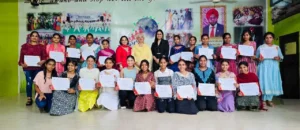
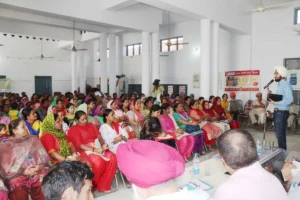
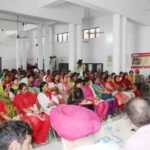
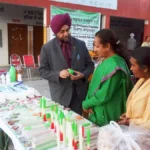
Students were encouraged to collect discarded electronic devices and accessories from their homes and communities, helping introduce the concept of responsible recycling to a wider audience. Through awareness sessions, collection drives and environmental education activities, the initiative helped young people understand the importance of reducing waste and protecting natural resources.
Building upon its early success, PAHAL later collaborated with Microsoft through the Microsoft Create to Inspire School Programme.
The programme sought to move beyond awareness and encourage long-term behavioural change among students and educational institutions. Participants explored issues related to sustainability, responsible consumption, waste reduction and environmental stewardship while developing practical solutions for challenges within their communities.
Through workshops, school engagement activities and awareness campaigns, students were encouraged to become environmental ambassadors and influence positive change within their families and neighbourhoods.
Since 2017, PAHAL has been working with Karo Sambhav, one of India’s leading organizations focused on circular economy solutions and responsible e-waste management.
As part of this collaboration, PAHAL has implemented the Karo Sambhav School Programme across several cities in Punjab and Chandigarh, engaging students, teachers and educational institutions in responsible e-waste collection and recycling efforts.
The programme promotes environmental responsibility by helping students understand the lifecycle of electronic products, the importance of recycling and the environmental consequences of improper disposal.
Through collection drives and awareness activities, schools have become important centres for promoting sustainable consumption and responsible waste management.
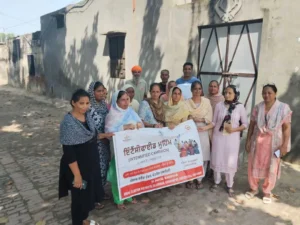
In addition to school programmes, PAHAL works with e-waste aggregators, bulk consumers, institutions and community stakeholders to promote responsible disposal and recycling of electronic waste.
The initiative encourages individuals and organizations to channel electronic waste into authorized recycling systems, helping ensure that valuable materials are recovered while hazardous components are handled safely and responsibly.
These efforts contribute to reducing environmental pollution and strengthening formal recycling systems.
Through its various initiatives, PAHAL has facilitated the collection and responsible recycling of more than 100 tonnes of electronic waste from a limited number of cities in Punjab.
While this achievement represents a significant contribution towards environmental protection, it also highlights the scale of the challenge. The volume of electronic waste generated and processed through informal recycling channels remains far greater, underscoring the urgent need for greater awareness, stronger collection systems and increased participation in responsible recycling practices.
For PAHAL, this serves as a reminder that much work remains to be done to build a culture of responsible consumption and sustainable waste management.
PAHAL views electronic waste management as part of a broader movement towards environmental responsibility and sustainable living.
The organization believes that addressing the e-waste challenge requires:
Through education, partnerships and community engagement, PAHAL continues to promote a future where electronic products are used responsibly and disposed of in ways that protect both people and the environment.
A society where every electronic device is responsibly managed at the end of its life cycle, contributing to a cleaner environment, a circular economy and a more sustainable future for all.